
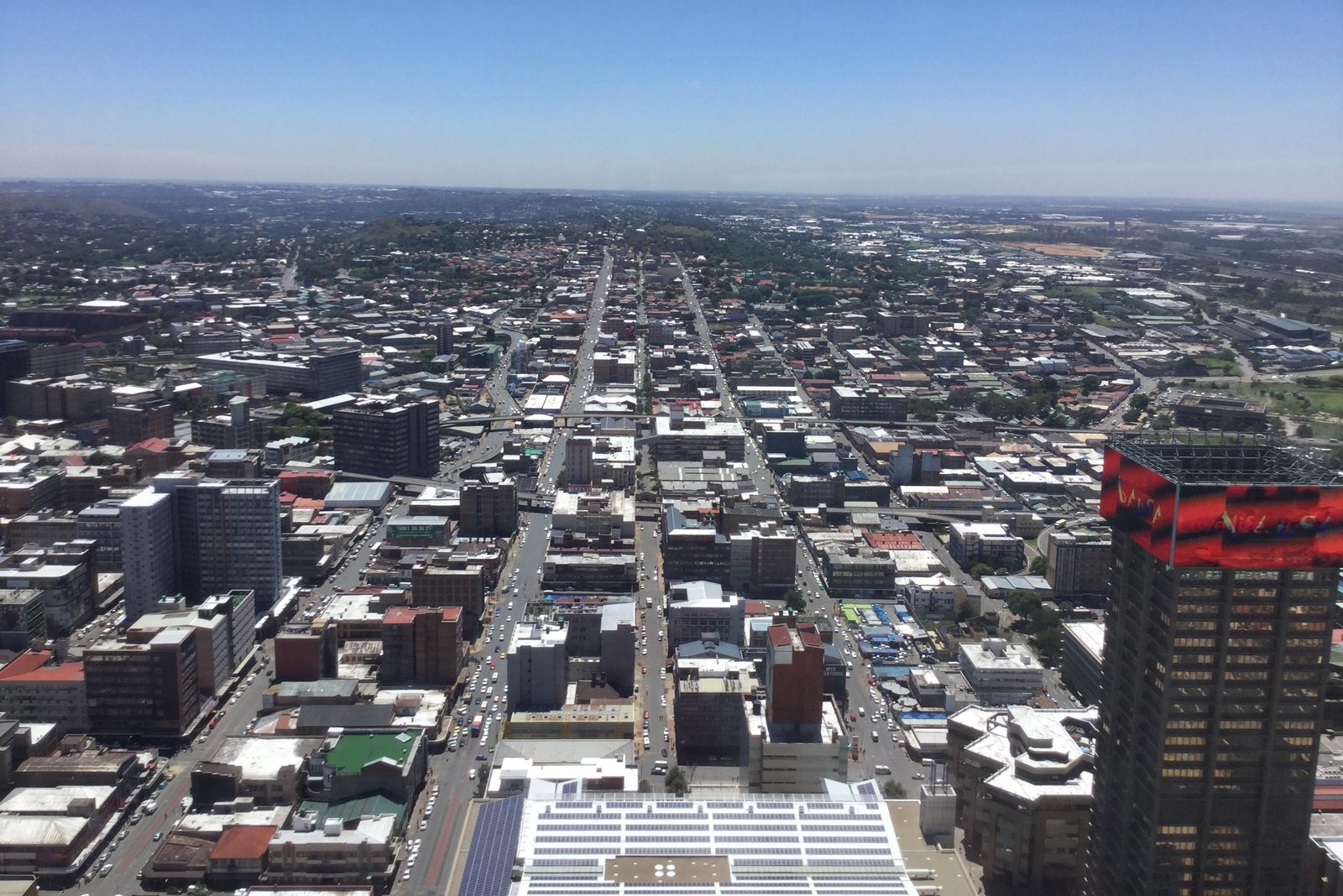
Dynamic places
A spatial lens on the contrasting trajectories of different places and districts within cities.
This theme has a spatial rather than a sectoral lens. It focuses on the contrasting trajectory of different places or districts within cities. A key question is what makes some urban environments more conducive to the production of tradable goods and services than others, and how this is changing? The same question applies to start-up and growth of new businesses. Core concepts include effective urban density, economic diversity and connectivity, alongside the notion of mixed-use development. There is also an interest in place-making policies, urban planning and appropriate regulation, including precinct management, the public realm, land-use zoning and building ordinances, which can help or hamper enterprise, real estate investment and the adaptive reuse and repurposing of ageing business districts, industrial areas and redundant buildings.
Government departments and agencies typically struggle to align and integrate their actions to tackle the multi-faceted needs and opportunities presented by particular places because of their centralised character and vertical silos rather than horizontal organisation. Setting up special place-based initiatives, such as city improvement districts, is a common response, especially in pressurised inner cities and townships. The impact of alternative and innovative arrangements to coordinate different state policies and programmes in support of compact and integrated urban development will be assessed, including special economic zones and new/smart cities.
Selected references
- Turok, I., Seeliger, L. and Visagie, J. (2021) 'Restoring the Core: Central City Decline and Transformation in the South', Progress in Planning, 144, pp.1-31.
- Scheba, A. and Turok, I. (2019) 'Strengthening township economies in South Africa: the case for better regulation and policy innovation', Urban Forum, 31(1), pp.77-94.